
Global Plastic Action Partnership and the Fight Against Plastic Pollution
| Aspect | Details |
|---|---|
| Why in News? | The Global Plastic Action Partnership (GPAP), launched by the World Economic Forum, recently expanded its network to 25 countries, including Maharashtra, India. |
| About GPAP | - Launched: During WEF 2018 Sustainable Development Summit. - Purpose: Accelerate the circular economy and support initiatives like "Friends of Ocean." |
| Current Members | 25, including Maharashtra (India). |
| Objectives | - Accelerate global response to plastic pollution. - Promote a circular economy for plastics to reduce emissions and protect ecosystems. |
| Key Activities | - Assist countries in developing national action plans. - Mobilize investments for sustainable waste management. |
| Plastic Pollution | - Impact: Threatens ecosystems, human health, and food security. - Alters habitats and reduces ecosystem resilience to climate change. |
| Life Cycle Approach | Considers impacts across all stages of plastic production and use, including raw material extraction, manufacturing, packaging, use, and end-of-life management. |
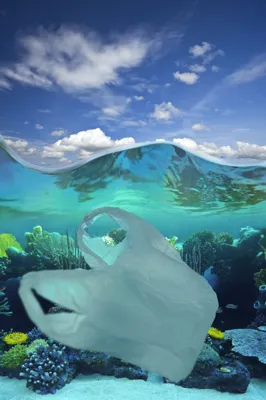
| Single-Use Plastics | Major contributors like polyethylene shopping bags and PET bottles; 500 billion beverage containers sold annually, with many ending up in oceans. |
| Microplastics | Sources include tires, synthetic fabrics, industrial/agricultural runoff, and beauty products; pervasive and harmful to marine life and humans. |
| Global Challenges | - Plastic Waste Increase: Doubled since 2000 (OECD, 2022). - Low Recycling: Only 9% recycled, 19% incinerated, and nearly 50% in landfills. |