
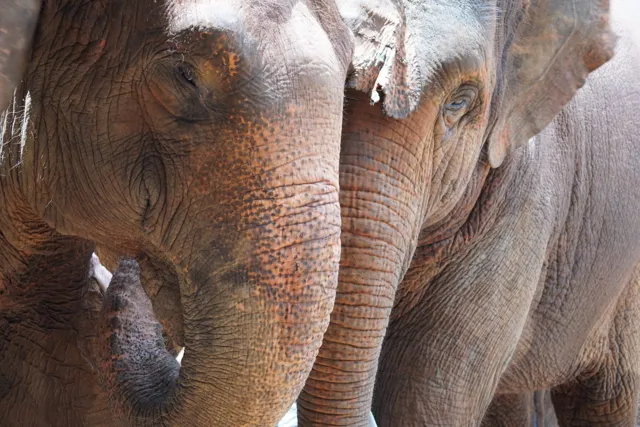
India Leads Global Asian Elephant Conservation Efforts
| Category | Key Facts |
|---|---|
| Elephant Population | India has the largest population of Asian Elephants (~28,000). Karnataka has the highest population, followed by Assam and Kerala. |
| Conservation Status | IUCN Status: Endangered Wildlife Protection Act, 1972: Schedule I CITES: Appendix I |
| Project Elephant | Launched in 1992 to protect elephants, habitats, and corridors. Covers 33 Elephant Reserves (80,000 sq. km). |
| Elephant Corridors | 88 corridors identified (South India: 20, North-East: 22, Central India: 20). Threats: Mining, urbanization, fragmentation. |
| World Elephant Day | Observed on 12 August since 2012 to raise awareness on conservation and conflict mitigation. |
| MIKE Programme | 10 MIKE sites in India (e.g., Nilgiri, Wayanad, Garo Hills) to monitor poaching and mortality under CITES. |
| Project RE-HAB | Uses bee fences to reduce human-elephant conflict (launched in Karnataka by KVIC under the National Honey Mission). |
| Haathi Mere Saathi | Awareness campaign by MoEFCC and WTI to promote human-elephant coexistence. |
| Elephant Task Force | Formed in 2010, submitted report "Gajah: Securing the Future for Elephants in India." |
| Key Reserves | Notable reserves: Mysore (Karnataka), Nilgiri (TN), Periyar (Kerala), Mayurbhanj (Odisha), Eastern Dooars (WB). |