
Kerala Village compiles in-depth Bio diversity register
- Thazhakara grama panchayat in Alappuzha, Kerala, has taken significant steps towards documenting and conserving its rich biodiversity. Recently, the local body compiled the second volume of the People’s Biodiversity Register (PBR), detailing the region's diverse flora and fauna.
Current Biodiversity Status:
- Declining Species: The Indian black turtle, Indian garden lizards, barn owls, Indian flying foxes, henna, and palash plants have faced population declines primarily due to poaching and habitat loss.
- Increasing Species: Conversely, populations of rock pigeons, rufous treepies, and other species have shown an increase.
Natural Assets of Thazhakara:
- The village boasts:
- 38 sacred groves
- 10 paddy polders
- 35 ponds
Challenges in Biodiversity Conservation:
- Habitat Loss and Fragmentation: Activities such as deforestation, agriculture, urbanization, and infrastructure development threaten natural habitats, impacting species survival.
- Climate Change: Changing climatic conditions alter ecosystems, affecting species distribution and behavior.
- Invasive Species: Introduction of non-native species disrupts local ecosystems and can lead to species displacement.
- Overexploitation: Unsustainable practices like overfishing and timber harvesting contribute to species decline.
- Pollution: Contamination of air, water, and soil poses significant threats to wildlife and habitats.
- Lack of Awareness: Insufficient understanding among the public about the importance of biodiversity hampers conservation efforts.
- Poverty and Inequality: Socioeconomic factors drive overexploitation of natural resources, exacerbating biodiversity loss.
Related Initiatives for Biodiversity Conservation:
- Green Growth Priority in Budget 2023: Emphasizes reducing carbon intensity and promoting green job opportunities.
- National Mission for a Green India: Aims to increase forest cover on degraded lands and protect existing forests.
- Green Credit Programme: Incentivizes environmentally sustainable practices by various entities.
- MISHTI Initiative: Focuses on mangrove and coastal ecosystem conservation for climate change mitigation.
- PM-PRANAM: Promotes sustainable agriculture practices to reduce synthetic inputs.
- Amrit Dharohar Scheme: Encourages optimal use of wetlands for biodiversity and income generation.
Strategies for Future Conservation Efforts:
- Science-based Monitoring Programme: Implementing robust monitoring systems to track biodiversity conservation efforts effectively.
- Sustainability of Ecosystems: Promoting modern sustainability concepts that value ecological, cultural, and sociological aspects of biological wealth.
- Water Conservation: Emphasizing sustainable water management to support wetland ecosystems.
- Ecological Restoration: Prioritizing ecological restoration over mere plantation drives to enhance landscape connectivity.
- Selective Mangrove Initiatives: Strategically selecting sites for mangrove conservation to preserve biodiversity and coastal integrity.
- Community Engagement: Involving local communities and integrating traditional knowledge into conservation plans.
- Research and Education: Advocating for significant funding towards biodiversity research and public education initiatives.
Conclusion:
- Efforts like the People’s Biodiversity Register in Thazhakara demonstrate the importance of local initiatives in biodiversity conservation. As India strives to meet global biodiversity goals, integrating scientific knowledge with community involvement and sustainable practices will be key to preserving the nation's biological wealth.
- This comprehensive approach not only safeguards natural ecosystems but also ensures a sustainable future for generations to come.
Prelims Takeaway
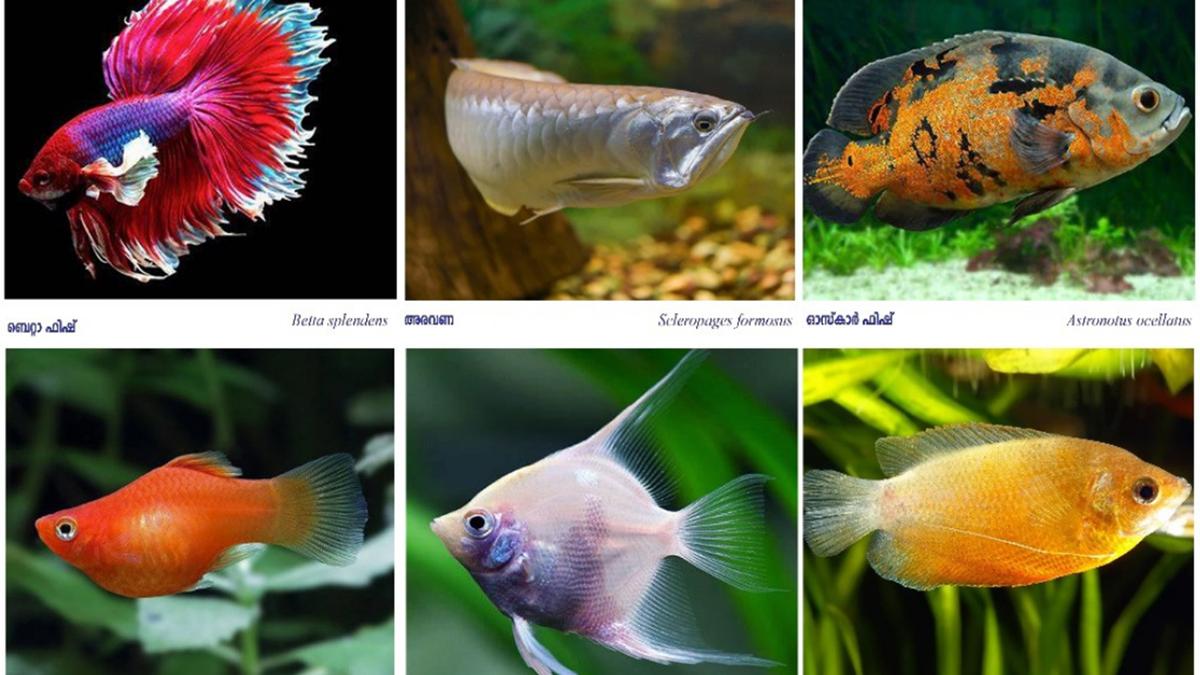
- Species in news