
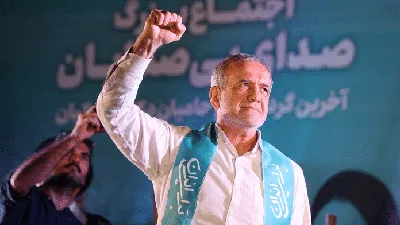
Masoud Pezeshkian Wins Iran's Presidential Election: Implications for India-Iran Relations
| Aspect | Details |
|---|---|
| Election Winner | Masoud Pezeshkian, a reformist lawmaker and cardiac surgeon, won Iran's presidential election, defeating hardliner Saeed Jalili. |
| Election Context | The election followed the death of former President Ebrahim Raisi in a helicopter crash on May 19. Voter turnout was the lowest since the 1979 Islamic Revolution, at 39.92%. |
| Pezeshkian's Policy | Known for supporting domestic and international reforms, Pezeshkian's presidency signals a shift toward pragmatic policies, though hardliners and Supreme Leader Ayatollah Ali Khamenei retain significant power. |
| India-Iran Ties | Key project: Chabahar Port, a strategic trade route bypassing Pakistan. India has invested $120 million in the Shahid-Beheshti Port terminal and offered a $250 million credit line for infrastructure. |
| Crude Oil Trade | Iran is a key source of crude oil for India, with potential for increased exports providing a cheaper and reliable source amid Western sanctions. |
| Regional Security | Pezeshkian's stance on the "Axis of Resistance" against Israel could impact India's regional diplomacy. Cooperation on the INSTC (International North-South Transport Corridor) remains crucial. |
| Electoral Dynamics | The election was marked by modest voter turnout, heavy security presence, and heightened regional tensions, including Iran's recent direct attack on Israel and increased militant activities. |
| Supreme Leader Role | Ayatollah Khamenei retains ultimate authority, and it remains uncertain whether Iran's foreign policy will shift under Pezeshkian's presidency. |