
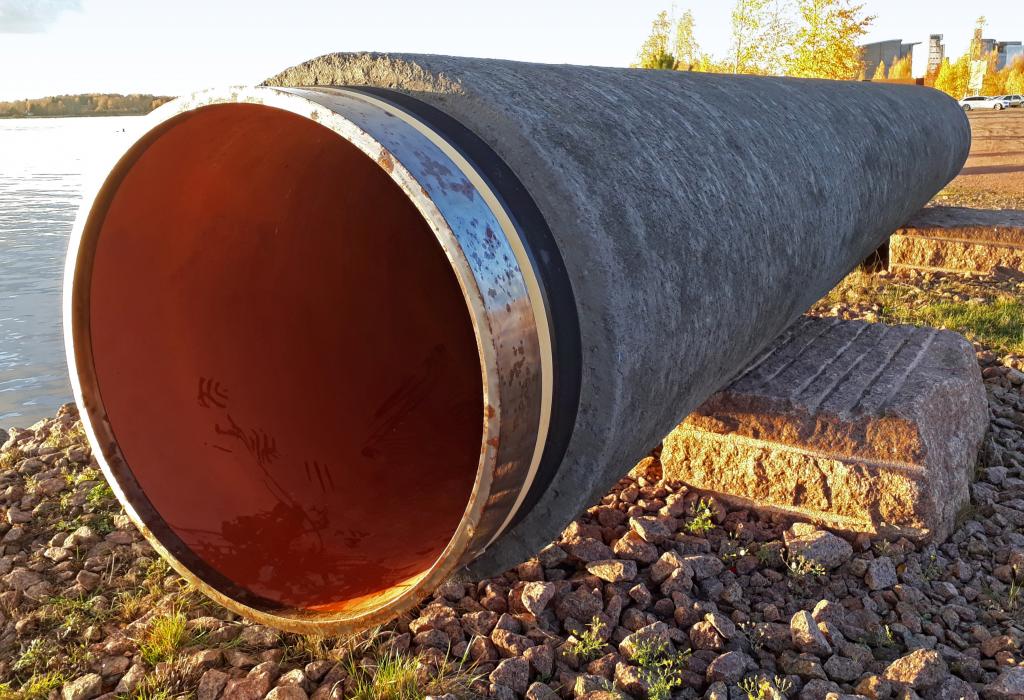
Nord Stream leaks: Thousands of tonnes of methane may have dissolved in Baltic seawater, marine life impacts unclear
- A new study has shed light on the fate of methane released from the September 2022 explosions damaging the Nord Stream pipelines in the Baltic sea.
- While a significant amount of methane escaped, 10,000 to 50,000 tonnes of it likely dissolved in the surrounding water after the blasts, the research suggested.
KEY HIGHLIGHTS
- India's varied landscape, seasonal downpours, and unpredictable climate make it highly susceptible to floods.
- More than 40 million hectares of land are flood-prone, particularly in states like Assam, Bihar, and Uttar Pradesh.
- Several factors worsen flooding in some regions.
- These include decreasing forests, rapid urban growth without proper planning, and unsustainable farming practices.
- Floods bring a wave of devastation, taking lives, displacing people, destroying crops, and damaging infrastructure.
Role of ISRO in disaster management
- The Indian Space Research Organisation (ISRO) utilizes satellites for various disaster management applications, including floods.
- They provide real-time flood maps to government bodies, enabling faster evacuation and relief efforts.
- ISRO also keeps a watchful eye on glacial lakes in the Himalayas, a potential source of sudden and catastrophic floods.
- Additionally, high-resolution satellite data helps create flood models and identify vulnerable areas near dams and other critical infrastructure.
- To effectively communicate during disasters, ISRO leverages platforms like Bhuvan and NDEM to share crucial information with authorities.
- This data includes flood maps, weather forecasts, and assessments of the damage caused.
- Beyond flood management, ISRO's satellites support telemedicine projects that connect remote areas to medical specialists in urban centers.
- Similarly, educational resources are delivered to rural communities through tele-education initiatives.
Prelims takeaway
- ISRO