
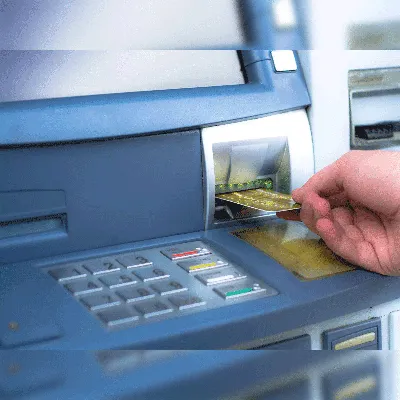
RBI Forms Committee to Review White-Label ATM Fee Structure
| Aspect | Details |
|---|---|
| Event | RBI establishes committee to review fee structure of white-label ATMs (WLAs). |
| Objective | Evaluate current policies and recommend a balanced and sustainable model for stakeholders. |
| Assessment Areas | Fee structure, ATM infrastructure, international best practices. |
| Main Challenge | Interchange fee remains the same for bank-operated ATMs and WLAs, causing sustainability issues. |
| Market Growth | India's ATM market projected to grow at 9.2% CAGR from 2024 to 2032. |
| Stakeholders | Representatives from banks, ATM manufacturers, NPCI; chaired by Sunil Mehta (IBA CEO). |
| RBI Initiatives | Permitted non-banking entities to establish WLAs since 2012 to increase ATM numbers in rural areas. |
| Regulatory Changes | In 2016, WLAs allowed to source cash from retail outlets; in 2019, 'on tap' authorization introduced. |
| Fee Proposals | WLA operators suggest ₹30 for financial transactions, ₹10 for non-financial transactions, and access fees. |
| WLA Services | Account info, mini statements, cash withdrawals, PIN changes. |
| Limitations | No cash deposits, bill payments, or mobile recharge services, unlike bank ATMs. |
| RBI's Vision | Encourage participation in retail payment systems, diversify risk, foster innovation, boost competition. |
| Public Consultation | RBI engages in consultations to gather feedback and minimize concentration risk in retail payments. |