| Key Event/Highlight | Details |
|---|---|
| Monetary Policy Committee (MPC) Meeting | Held from December 3 to 5, 2025, it was the 58th meeting of the MPC. |
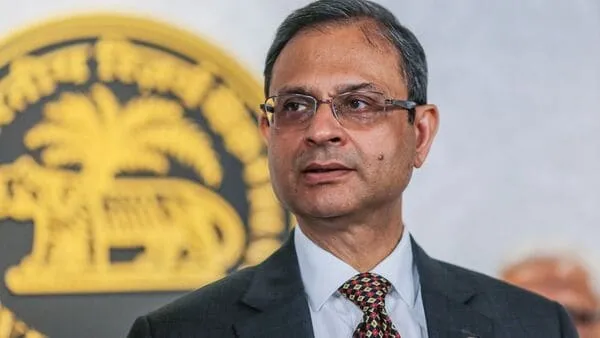
| RBI Governor | Led by Shri Sanjay Malhotra. |
| MPC Members | Included Dr. Nagesh Kumar, Shri Saugata Bhattacharya, Prof. Ram Singh, Dr. Poonam Gupta, and Shri Indranil Bhattacharyya. |
| Key Decision | The MPC unanimously reduced the repo rate to 5.25%. |
| Other Rate Changes | - Standing Deposit Facility (SDF): Reduced to 5.00%.- Marginal Standing Facility (MSF) and Bank Rate: Set at 5.50%. |
| Monetary Policy Stance | Kept neutral, indicating no bias towards easing or tightening. |
| Disagreement in MPC | Prof. Ram Singh advocated for an accommodative stance, diverging from the neutral stance. |
| Inflation Trends | - October 2025 recorded historic low inflation, primarily due to sharp food price corrections.- Core inflation remained stable, excluding gold-related inflation. |
| Inflation Projections | - FY 2025-26: 2.0%.- Q3 2025-26: 0.6%.- Q4 2025-26: 2.9%.- FY 2026-27: Gradual rise towards target (3.9% in Q1, 4.0% in Q2). |
| Growth Trends | - Q2 2025-26 GDP Growth: 8.2%, a six-quarter high.- GVA Growth: 8.1%, supported by industry and services.- Merchandise Exports: Fell sharply due to weak external demand. |
| Growth Projections | - FY 2025-26: 7.3%.- Q3 2025-26: 7.0%.- Q4 2025-26: 6.5%.- H1 FY 2026-27: Expected around 6.7-6.8%. |
| Global Context | - World economy holding up better than earlier forecasts.- US shutdown ended, easing uncertainty.- Trade agreements progressed.- Global inflation trends uneven; advanced economies face pressures. |
| Domestic Factors Supporting Growth | - GST rationalisation.- Lower crude oil prices.- Front-loaded government capital expenditure.- Improved corporate and banking balance sheets.- Strong rural spending and private investment revival. |
| Reasons for Rate Cut | - Inflation at historic lows.- Growth strong but softening.- Policy support needed to sustain momentum. |
| Learning for Aspirants | - Central banks cut rates to support growth when inflation is low.- Neutral stance keeps future options open.- Domestic conditions can justify easing despite global uncertainty.- Policy decisions are forward-looking. |

Contact Counsellor