
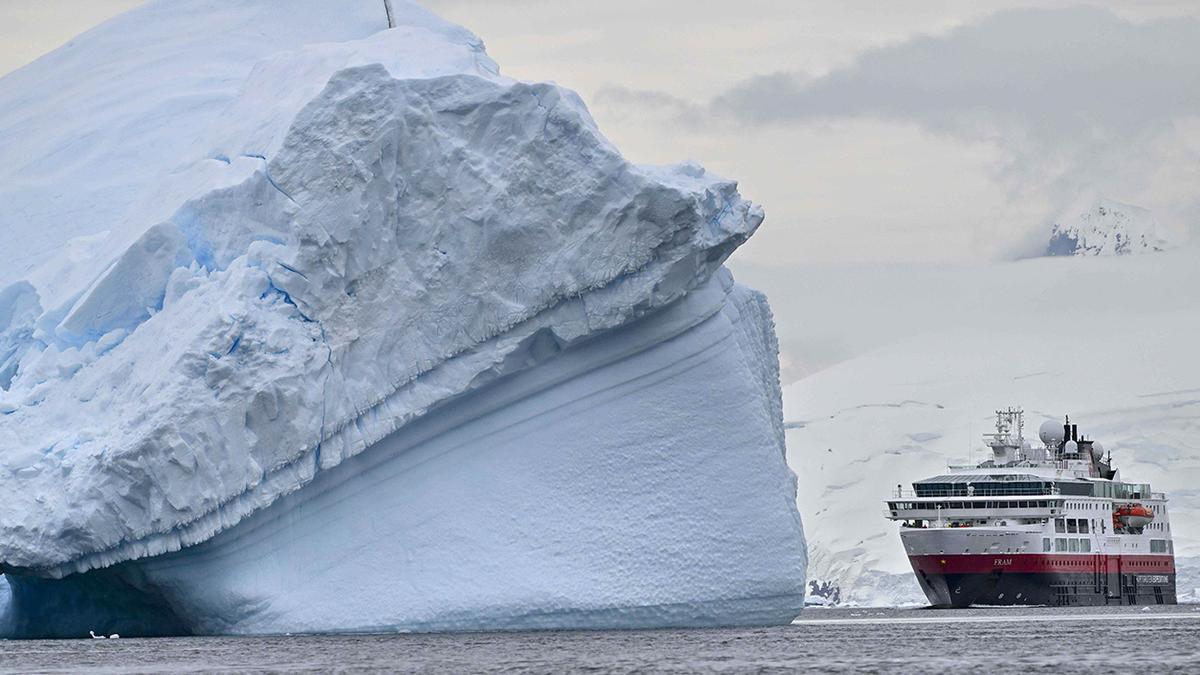
The last continent must remain a pristine wilderness
- Antarctic tourism has experienced a sharp rise since the 1990s, with visitor numbers exceeding 100,000 during the 2022-23 season.
- This growth, fueled by interest in adventure travel, presents significant environmental risks.
Environmental Concerns:
- The increasing human presence disrupts wildlife, harms ecosystems, and introduces the threat of invasive species.
- Additionally, tourism contributes to pollution and carbon emissions, intensifying the impacts of climate change on fragile Antarctic environments.
- Balancing Benefits and Risks:
- While tourism offers educational and economic advantages, it strains the delicate equilibrium between scientific research, responsible tourism practices, and environmental conservation.
Gaps in Regulatory Framework:
- The Antarctic Treaty (1961) and the Madrid Protocol provide general guidelines but lack specific regulations for tourism.
- The International Association of Antarctica Tour Operators (IAATO) currently self-regulates, which many find inadequate.
Challenges of International Consensus:
- The Antarctic Treaty Consultative Meeting (ATCM) requires unanimous agreement for decisions, which often complicates effective regulation.
- Diverse national interests and interpretations of Antarctic principles further hinder governance efforts.
Recent Developments:
- ATCM-46 marked progress with the establishment of a working group aimed at developing a comprehensive regulatory framework.
- However, achieving consensus and implementing effective measures remain significant challenges.