
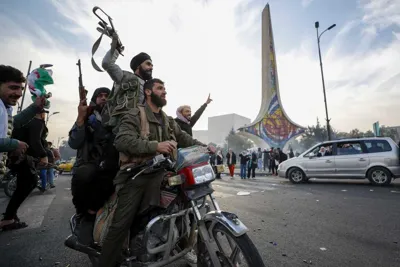
The Fall of the Assad Regime in Syria: A New Chapter in Middle Eastern Politics
| Why in News | Key Points |
|---|---|
| Assad Dynasty Ends in Syria | President Bashar al-Assad fled Syria after rebel forces, led by Hayat Tahrir al-Sham (HTS), breached Damascus, ending over 50 years of Assad family rule. |
| Assad's Rule | Began with Hafez al-Assad in 1970 through a military coup. Hafez, an Alawite, consolidated power by placing Alawites in key positions. |
| Bashar al-Assad's Rise | Became President in 2000 after Hafez's death. Initially seen as a reformist but continued authoritarian rule. |
| Syria's Civil War | Began in 2011 after Assad's violent crackdown on peaceful protests. Led to over 500,000 deaths and millions displaced. |
| Hayat Tahrir al-Sham (HTS) | HTS, initially linked to al-Qaeda, launched the final assault on Damascus, capturing key cities like Aleppo and Homs. |
| Assad's Allies | Russia and Iran were key backers of the Assad regime. Russia's involvement in Syria began in 2015. |
| Syria's Future | HTS's rule may lead to further instability and authoritarianism. Questions remain about Syria's governance and regional power dynamics. |
| Impact on Regional Politics | The fall of Assad shifts power dynamics in the Middle East, affecting Russia, Iran, Israel, and Turkey's influence. |
| Major Players | - HTS: Led by Abu Mohammed al-Jolani - Russia: Military involvement since 2015 - Iran: Key regional ally to Assad |