
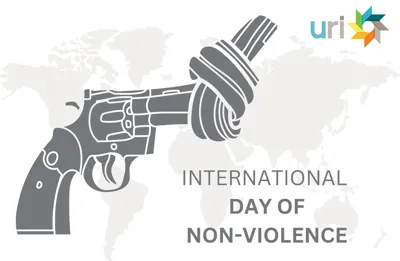
International Day of Non-Violence: Honoring Gandhi's Legacy
| Summary/Static | Details |
|---|---|
| Event | International Day of Non-Violence |
| Date of Observance | October 2nd (Mahatma Gandhi's birthday) |
| UN Resolution | General Assembly resolution A/RES/61/271 |
| Date of Resolution | June 15, 2007 |
| Co-Sponsors | 140 countries |
| Primary Objectives | 1. Disseminate the message of non-violence through education and public awareness.2. Reaffirm the universal relevance of non-violence principles. |
| Key Figure | Mahatma Gandhi, leader of India's independence movement and pioneer of non-violent resistance. |
| Definition of Non-Violence | A principle rejecting physical violence to achieve social or political change. |
| Key Concepts | 1. Power Dynamics: Rulers' power depends on the population's consent.2. Beyond Pacifism: Non-violence extends beyond opposition to war. |
| Categories of Non-Violent Action | 1. Protest and Persuasion: Marches, vigils, speeches, demonstrations.2. Non-Cooperation: Boycotts, strikes, civil disobedience, tax resistance.3. Non-Violent Intervention: Blockades, occupations, creation of parallel institutions. |
| Gandhi's Legacy | - Led India to independence through non-violence.- Inspired global civil rights movements.- Philosophy emphasized peaceful resistance and moral high ground. |